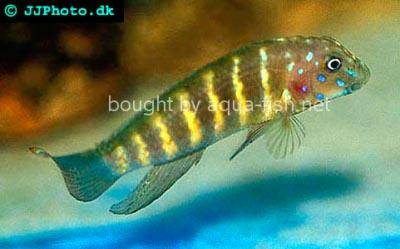
Tanganyika clown - Eretmodus cyanostictus
Scientific name: Eretmodus cyanostictus
Common name: Tanganyika clown
Family: Cichlidae
Usual size in fish tanks: 8 - 9 cm (3.15 - 3.54 inch)
014
Recommended pH range: 7.6 - 8.9
Recommended water hardness: 14 - 23°N (250 - 410.71ppm)
0°C 32°F30°C 86°F
Recommended temperature range: 24 - 27 °C (75.2 - 80.6°F)
The way how these fish reproduce: Spawning
Where the species comes from: Africa
Temperament to its own species: aggressive/territorial
Temperament toward other fish species: peaceful
Usual place in the tank: Bottom levels
Food and Feeding
Eretmodus cyanostictus is primarily an algae grazer that feeds on biofilm and microorganisms growing on rocks in Lake Tanganyika. In the aquarium, they require a diet rich in vegetable matter. Offer high-quality spirulina flakes, algae wafers, and plant-based cichlid foods as a staple.
Supplement their diet occasionally with small amounts of frozen or live foods such as daphnia or Cyclops. Avoid excessive feeding of protein-rich foods like bloodworms or brine shrimp, as these may lead to digestive problems. Frequent small feedings are preferred, and natural algae growth in the aquarium is highly beneficial.
Origin
Eretmodus cyanostictus is endemic to Lake Tanganyika in Africa. This species inhabits shallow rocky shorelines, often in areas exposed to wave action. They cling to rocks and graze on algae and biofilm in these high-oxygen environments.
Tank Setup and General Care
A rocky aquarium setup is essential for this species. Provide plenty of flat stones and rock surfaces for grazing. Strong filtration and good oxygenation are important, as these fish naturally live in wave-swept habitats with high oxygen levels.
Use sand or fine gravel substrate and ensure rocks are stable. Moderate to strong water movement is recommended. Plants are not necessary, but hardy species attached to rocks can be used. Maintain hard, alkaline water conditions typical of Lake Tanganyika.
Temperament and Compatibility
Eretmodus cyanostictus is territorial, especially toward its own species. It is best kept as a bonded pair. Keeping multiple individuals in small aquariums often results in aggression. In larger tanks, they may coexist with other Tanganyikan species occupying different territories.
Suitable tank mates include Cyprichromis, Altolamprologus, and other non-competing Tanganyika cichlids. Avoid keeping them with aggressive rock-dwelling species or fish that compete for algae grazing areas.
Sexing
Sexing Eretmodus cyanostictus is difficult. Females are usually slightly larger and more robust. Males may display slightly brighter coloration, but differences are subtle. Observing pair bonding behavior is often the most reliable method.
Breeding
Eretmodus cyanostictus is a biparental mouthbrooder. After spawning, the female initially collects the eggs in her mouth. The male fertilizes the eggs, and the parents may alternate incubation. This alternating mouthbrooding behavior is characteristic of the species.
After incubation, fry are released and guarded by the parents. The young can be fed finely crushed spirulina flakes, algae-based foods, and newly hatched brine shrimp in small amounts.
Lifespan
With proper care, Eretmodus cyanostictus typically lives between 5 and 8 years. Stable water parameters, a vegetable-rich diet, and adequate territory help ensure long-term health.
Short Description
Eretmodus cyanostictus is a rock-dwelling algae-grazing cichlid from Lake Tanganyika. Best kept as a pair, this species requires rocky aquariums, hard alkaline water, and a vegetable-rich diet. Their unusual biparental mouthbrooding behavior makes them an interesting species for Tanganyika setups.
Picture
Bought by aqua-fish.net from jjphoto.dk.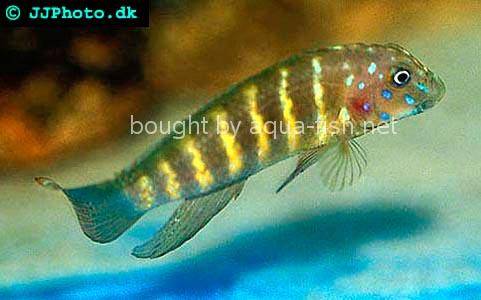
 Thread-finned
  Acara
Acara  Yellow
  Patrick's
  Blue
Blue  Green
Green  Acara
Acara  White
White  Compressed
  Pastel
  Midas
Midas  Red
Red  Bluemouth
  False
False  African
  Agassiz's
  Banded
  Yellow
  Cockatoo
  Blue
Blue  Blackstripe
  Highfin
  Redstripe
  Threadfinned
  Macmaster’s
  Panda
Panda  Norbert’s
  Blue
Blue  Thin-line
  Three-striped
  Viejita
  Flier
Flier  Archocentrus
  Convict
  Seven
Seven  Spiny
Spiny  Oscar
Oscar  Sunshine
  Chitande
  Firebird
  Midnight
  Lake
Lake  Sunshine
  Aulonocara
  Nyasa
Nyasa  Ruby
Ruby  Grants
  Aulonocranus
  Chameleon
  Benitochromis
  Orinoco
  Yellow
  Brichard’s
  Guenther’s
  Southern
  Cichla
  Peacock
  Chiseltooth
  Bolivian
  Red
Red  Many-pointed
  Jack
Jack  Red
Red  Three
Three  Keyhole
  Azureus
  Red
Red  Jackson’s
  Crenicichla
  Honduran
  Blue-eye
  Afra
Afra  Frontosa
  Slender
  Malawi
  Chequerboard
  Checkerboard
  Malawi
  Ectodus
  Canara
  Green
Green  Rostratus
  Pearl
Pearl  Geophagus
  Yellowhump
  Suriname
  Redhump
  Red
Red  Dority’s
  Argentine
  Burton’s
  Victoria
  Haplochromis
  Jewel
Jewel  Banded
  Lifalili
  Lowland
  Texas
Texas  Pantano
  Severum
  Banded
  Severum
  Rainbow
  Parrot
  Chocolate
  Brown
Brown  Marlieri
  Golden
  Striped
  Masked
  Konye
Konye  Blue
Blue  Trewavas
  Electric
  Dwarf
Dwarf  Redbreast
  Lamprologus
  Gold
Gold  Greenface
  Mayan
Mayan  Aurora
  Blue
Blue  William’s
  Zebra
Zebra  Malawi
  Blue
Blue  Blue
Blue  Mbuna
Mbuna  Parallel
  Purple
  Flag
Flag  Bolivian
  Ram
Ram  Basket
  Haitian
  Zebra
Zebra  Striped
  Neolamprologus
  Brevis
  Fairy
Fairy  Neolamprologus
  Cylindricus
  Hecq’s
  Neolamprologus
  Lemon
Lemon  Mustax
  Daffodil
  Six-bar
  Five-bar
  Marbled
  Giraffe
  Blue
Blue  Sulphurhead
  Wolf
Wolf 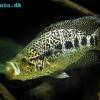 Jaguar
  Blue
Blue  Marakeli
  Madagascar
  Pinstripe
  Pelmatochromis
  Kribensis
  Striped
  Red
Red  Deepwater
  Fenestratus
  Nichols’
  Southern
  Bumble
  Demason’s
  Slender
  Red
Red  Mbuna
Mbuna  Malawi
  Kenyi
Kenyi  Powder
  Altum
Altum  Angelfish
  Angelfish
  East
East  Juba
Juba  Earth
Earth  Electric
  Azure
Azure  Lionhead
  Discus
  Blue
Blue  Red
Red  Zebra
Zebra 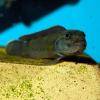 Brichard’s
  Blue
Blue  Firemouth
  Zebra
Zebra  Yellow
  Blue
Blue 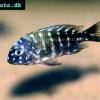 Dwarf
Dwarf  Blunthead
  The
The  White
White 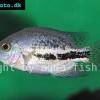 Twoband
  Fenestratus
  Window
  Tailbar
  Black
Black  Redhead
  Oaxaca
  Xenotilapia