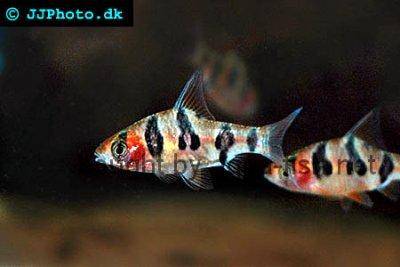
Rhomb barb - Puntius rhomboocellatus
Scientific name: Puntius rhomboocellatus
Common name: Rhomb barb
Family: Cyprinidae
Usual size in fish tanks: 5 - 7 cm (1.97 - 2.76 inch)
014
Recommended pH range: 6 - 7.2
Recommended water hardness: 2 - 12°N (35.71 - 214.29ppm)
0°C 32°F30°C 86°F
Recommended temperature range: 23 - 28 °C (73.4 - 82.4°F)
The way how these fish reproduce: Spawning
Where the species comes from: Southeast Asia
Temperament to its own species: peaceful
Temperament toward other fish species: peaceful
Usual place in the tank: Middle levels
Food and Feeding
Puntius rhomboocellatus is an omnivorous species that accepts a wide variety of foods. A high-quality flake or small pellet should be used as the staple diet. Supplement with live or frozen foods such as bloodworms, daphnia, brine shrimp, and Cyclops to enhance coloration and overall health.
Occasional vegetable matter such as spirulina-based foods can also be offered. Feed small portions once or twice daily. A varied diet helps maintain strong coloration and activity.
Origin
Puntius rhomboocellatus originates from Southeast Asia, primarily Borneo. They inhabit slow-moving forest streams and peat swamps with soft, slightly acidic water. These habitats often contain leaf litter, submerged roots, and dense vegetation.
Tank Setup and General Care
This species does best in a well-planted aquarium with subdued lighting. Driftwood and plants help recreate their natural habitat. A dark substrate may enhance coloration. Soft to slightly acidic water is preferred, although they are adaptable.
They are active schooling fish and should be kept in groups of at least six individuals. In larger groups, they display more natural behavior and reduced stress.
Temperament and Compatibility
Puntius rhomboocellatus is peaceful and suitable for community aquariums. Ideal tank mates include small tetras, rasboras, peaceful barbs, dwarf cichlids, and other non-aggressive species.
Avoid keeping them with large or aggressive fish that may intimidate them. Keeping them in groups reduces shyness and improves overall behavior.
Sexing
Females tend to have a fuller, rounder body shape, especially when carrying eggs. Males are usually slimmer and may display slightly stronger coloration.
Breeding
Puntius rhomboocellatus is an egg-scattering species. Provide fine-leaved plants or spawning mops for egg deposition. Conditioning the adults with live or frozen foods improves spawning success.
Spawning usually occurs at daybreak. After spawning, the adults should be removed, as they may eat the eggs. The eggs hatch within 24–48 hours. Fry can initially be fed infusoria, followed by newly hatched brine shrimp.
Lifespan
The expected lifespan of Puntius rhomboocellatus is approximately 3 to 5 years. Good water quality, group keeping, and a varied diet contribute to longevity.
Short Description
Puntius rhomboocellatus is a peaceful schooling barb from Borneo. Best kept in planted aquariums with soft water, this species is suitable for community tanks. Their active behavior and subtle patterning make them an attractive addition to Southeast Asian setups.
Pictures
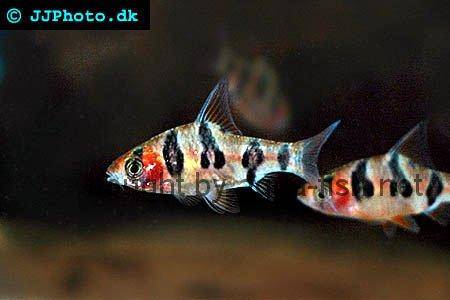
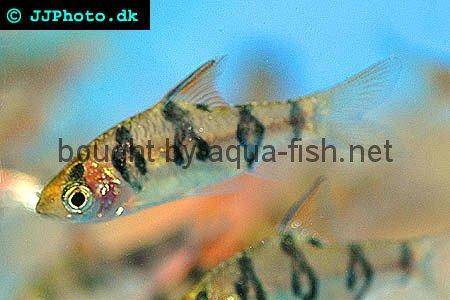
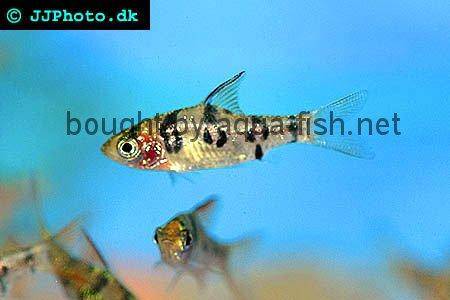
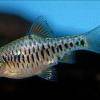
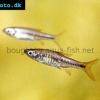
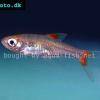
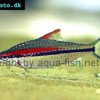
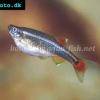
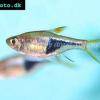
Bought by aqua-fish.net from jjphoto.dk.
 Bala
Bala  Spotted
  Golden
  Tinfoil
  Congo
Congo  Blue-barred
  African
  Butterfly
  Olivegreen
  Morse
Morse  Jerdon’s
  Mosquito
 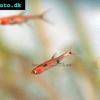 Dwarf
Dwarf 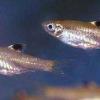 Eyespot
 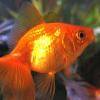 Goldfish
 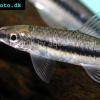 Penguin
  Siamese
  Koi
Koi  Pearl
Pearl  Glowlight
  Crossbanded
  Yoma
Yoma  Orange
  Dwarf
Dwarf  Zebra
Zebra  Rose
Rose  Red
Red  Arulius
  Tambraparni
  Fiveband
  Bengal
  Tiger
Tiger  Malabar
  Queen
Queen  Hora
Hora  False
False  Redtail
  Rainbow
  Flying
  Garra
Garra  Black
Black  Purple
  Burmese
  Dwarf
Dwarf  Isok
Isok  Rosy
Rosy  Two
Two  Melon
Melon  Black-spot
  Golden
  T-Barb
  Ruby
Ruby  Checkered
  Gold
Gold  Tiger
Tiger  Cherry
  Brittan’s
  Greater
  Long-band
  Twospot
  Reticulate
  Cherry
  Denison
  White
White 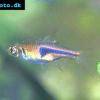 Lambchop
  Harlequin