How Student Aquariums Can Encourage Responsibility and Better Routines
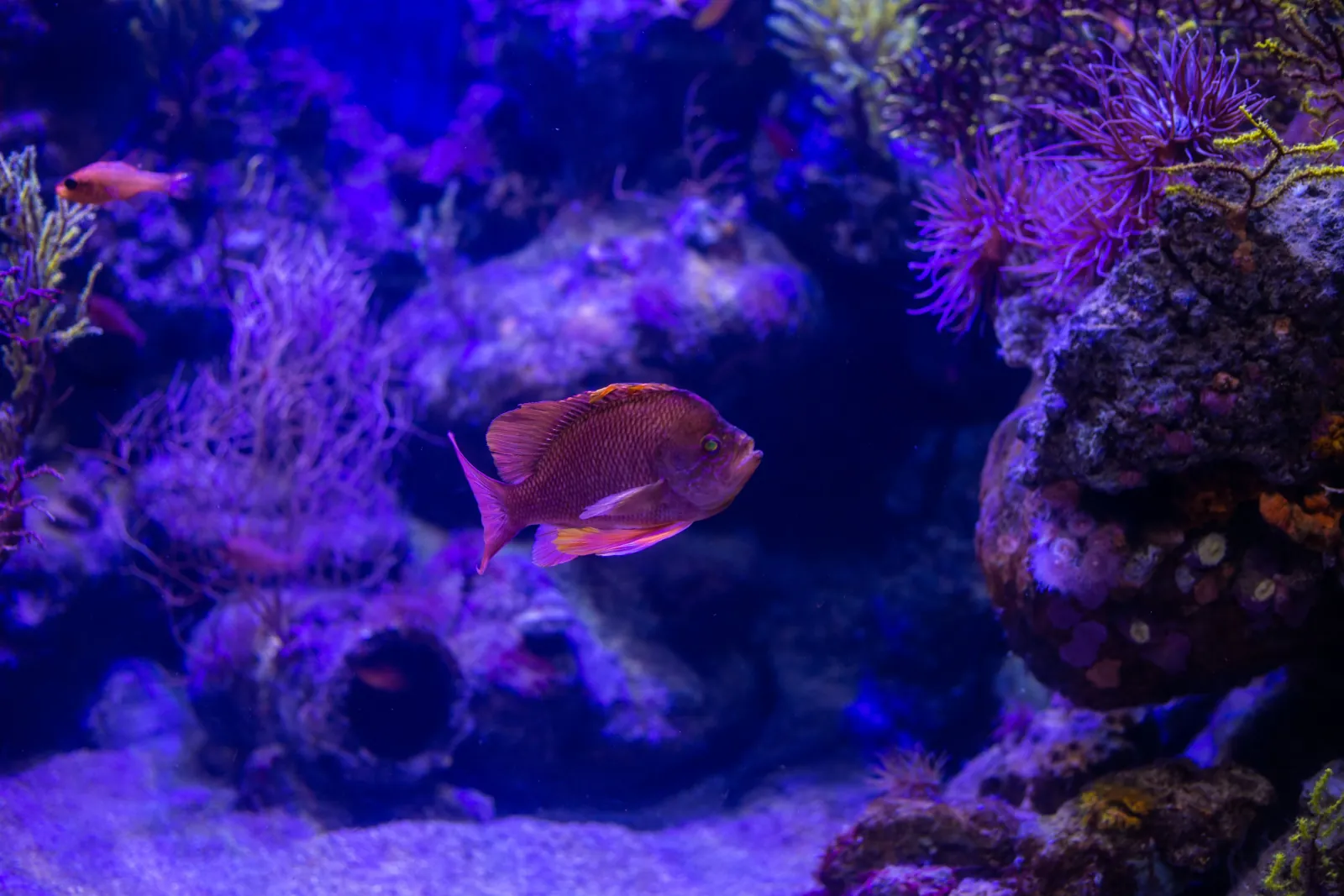
A student aquarium may look like a simple glass tank filled with water, plants, and colorful fish. However, it can become much more than classroom decoration or a relaxing feature in a student’s room. When managed correctly, an aquarium acts like a small living classroom. It teaches students that their choices, habits, and actions have real consequences.
Think about it: fish cannot remind their owner to check the water, clean the tank, or provide the correct amount of food. They depend on someone else to notice what they need. This responsibility encourages students to become more observant, organized, and reliable.
Student aquariums can also create structure in daily life. A short morning check, a careful feeding time, and a weekly maintenance session can turn into powerful routine-building activities. Over time, these small tasks may help students manage homework, personal care, household duties, and other responsibilities more effectively.
Of course, an aquarium should never be treated as a toy or a temporary experiment. Fish are living animals, and their welfare must come first. Students need proper guidance, suitable equipment, realistic expectations, and support from adults when necessary. With those conditions in place, aquarium care can teach lessons that reach far beyond the tank.
Why Student Aquariums Teach Responsibility
Responsibility develops when a person understands that important outcomes depend on their choices and actions. Student aquariums make this connection clear because consistent care keeps the fish active, the water healthy, and the tank clean. When assignments pile up and deadlines overlap, students may search for “where can I find someone who will do my college homework for me online” and delegate some tasks to qualified professionals. Knowing what to handle personally and when to seek help reflects the same planning, judgment, and accountability required in aquarium care. When either academic duties or fish-care routines become inconsistent, problems can quickly appear.
This direct relationship between action and result is valuable. Students do not simply hear someone say, “You need to be responsible.” Instead, they experience what responsibility means.
For example, a student may need to measure the correct amount of food rather than dropping in a large handful. Too much food can create waste and reduce water quality. This teaches an important lesson: caring more does not always mean giving more. Good care often requires knowledge, balance, and self-control.
An aquarium also teaches students to pay attention to details. Is the filter working normally? Are the fish behaving differently? Does the water look cloudy? Has the temperature changed? These questions encourage active observation.
At first, a student may only notice obvious changes. However, regular care improves their ability to recognize smaller signs. They begin to understand what normal behavior looks like, making it easier to notice when something may be wrong. This skill can transfer to many areas of life, including schoolwork, teamwork, sports, and personal relationships.
Student aquariums also introduce the idea of long-term commitment. A fish is not something a student can ignore when school becomes busy or when a new hobby feels more exciting. The aquarium still needs care during exams, weekends, school holidays, and stressful periods.
That does not mean a student must handle every task alone. Younger students will need adult supervision, while classroom aquariums may involve teachers, assistants, or rotating student teams. The lesson is not about complete independence. It is about understanding your role and completing it reliably.
In this way, an aquarium becomes like a small ship. Every person has a duty, and the system works best when each duty is completed at the right time.
How Aquarium Care Builds Better Daily Routines
Strong routines often begin with small, repeated actions. Aquarium care is useful because many of its tasks happen on a predictable schedule. Fish may need feeding at set times, equipment needs regular observation, and water quality requires ongoing attention.
These tasks can become “anchor habits.” An anchor habit is a regular action that helps organize other parts of the day. For instance, a student might check the aquarium after getting dressed in the morning. In the evening, the aquarium check could happen before homework or bedtime.
Once that pattern becomes familiar, the routine requires less mental effort. The student no longer needs to ask, “Should I do this today?” The task becomes part of the normal schedule.
This can be especially helpful for students who struggle with time management. Large responsibilities often feel overwhelming, but aquarium care can be divided into small, manageable steps. A brief daily check may take only a few minutes, yet it builds consistency.
A Simple Morning and Evening Check
A daily aquarium routine does not need to be complicated. In the morning, a student can observe the fish, confirm that the filter and heater are working correctly, and check the general appearance of the water. Feeding should follow the needs of the specific species and the instructions provided by a knowledgeable adult or reliable care guide.
The key word is observe. Students should not simply drop food into the tank and walk away. They should notice whether the fish are eating normally, swimming comfortably, and showing any unusual behavior.
An evening check can be equally simple. The student may confirm that the equipment is still operating, remove any obvious problem if it is safe to do so, and record anything unusual in an aquarium log.
This process builds attention and patience. It also teaches students not to make sudden decisions without evidence. If a fish hides for a few minutes, that does not always mean there is an emergency. Students learn to observe patterns, gather information, and ask for help when necessary.
These thinking skills are useful in school. A student who learns to pause, observe, and respond carefully may also become better at checking instructions, reviewing assignments, and solving problems.
A Weekly Maintenance Schedule
Daily observation supports the aquarium, but regular maintenance protects its long-term health. Depending on the aquarium setup and the species being kept, weekly tasks may include testing the water, completing an appropriate partial water change, cleaning selected surfaces, checking equipment, and updating the care record.
Students should receive clear instructions before performing these jobs. They also need to understand that cleaning an aquarium does not mean replacing everything or making the tank look completely new. An aquarium is a living ecosystem, not a dirty drinking glass.
A weekly schedule can make the process easier. For example, a student might complete maintenance every Saturday morning or during a planned classroom period. Using the same time each week reduces the chance that the task will be forgotten.
A calendar, checklist, or digital reminder can support the routine. However, the reminder should not become the responsibility itself. A phone alert can say, “Check the aquarium,” but the student must still complete the task carefully.
Weekly aquarium care also teaches planning. The student needs to make sure supplies are available before starting. They may need water conditioner, testing materials, clean equipment reserved for aquarium use, and help from an adult. Preparing in advance prevents rushed decisions.
This habit can improve other routines. A student who learns to prepare aquarium supplies on Friday may also remember to pack a school bag, organize study materials, or plan clothes for the next day.
The Wider Benefits for Learning and Well-Being
Student aquariums can support learning in several subjects. In science, an aquarium provides a practical introduction to ecosystems, animal behavior, water chemistry, plant growth, and the nitrogen cycle. These ideas may seem abstract in a textbook, but they become easier to understand when students can observe changes in a real environment.
For example, students can learn that clear-looking water is not always healthy water. Some harmful changes cannot be seen without testing. This creates a useful comparison with many real-life problems. What looks fine on the surface may still require careful investigation.
Aquariums can also strengthen mathematics skills. Students may measure water, track temperature, record test results, calculate schedules, compare changes, and manage a small care budget. Writing skills can improve through an aquarium journal in which students describe fish behavior, maintenance tasks, and questions.
The aquarium can even support project-based learning. A student might research the natural habitat of a particular fish, study how aquatic plants grow, or create a presentation about responsible pet ownership. In a classroom, different students can take different roles while working toward the same goal.
Beyond academic learning, an aquarium may provide a peaceful point of focus. Watching fish move through water can encourage students to slow down and pay attention. It creates a quiet moment in a day that may otherwise feel crowded with notifications, deadlines, and noise.
However, an aquarium should not be presented as a magical solution for stress or emotional difficulties. It can support a calmer environment, but it cannot replace professional help, healthy sleep, physical activity, social support, or effective study habits.
Its greatest emotional lesson may be patience. Aquariums do not change instantly. A new tank needs to be prepared properly before fish are introduced. Plants take time to grow. Water conditions require steady management. Students learn that healthy results often come from gradual progress rather than quick action.
That lesson matters in education. Improving a grade, learning a language, building fitness, or developing confidence also takes time. An aquarium becomes a visible reminder that growth is often slow, quiet, and easy to miss from one day to the next.
How to Create a Student-Friendly Aquarium Routine
A successful student aquarium begins with realistic planning. It should not begin with an unplanned purchase based only on appearance. Different fish and aquatic animals have different requirements, including tank size, water temperature, social groups, diet, and equipment.
Before choosing any animals, students and supervising adults should research suitable species and calculate the full cost of responsible care. The cost includes more than the tank and fish. Filters, heaters when required, water-testing supplies, food, maintenance tools, replacement equipment, and possible veterinary support may also be necessary.
The aquarium should also be placed in a safe and stable location. It needs access to electricity, protection from being knocked over, and a position away from conditions that may cause harmful temperature changes. Classroom rules, housing rules, and dormitory policies should be checked before setup.
Most importantly, the aquarium must be prepared properly before fish are added. A healthy biological system needs time to develop. Adding animals too quickly can expose them to unsafe water conditions. This stage teaches students another valuable lesson: preparation comes before excitement.
Once the aquarium is established, the care routine should remain simple and visible. A written chart can show which tasks happen daily, weekly, and monthly. In a classroom, students can rotate roles, but one adult should maintain overall responsibility for animal welfare.
Shared responsibility must be clearly defined. When everyone assumes someone else will complete a task, nothing may happen. It is the same problem seen in group projects: five people can share a duty, yet the duty may remain unfinished because no single person feels responsible for it.
A better system names the person responsible for each task. Another person may serve as a backup. When a student completes the task, they can record the date, the action taken, and any observations.
The routine should also include plans for weekends, holidays, illness, travel, and school closures. Who will care for the aquarium when the usual student is absent? Who can respond if equipment stops working? Where are the instructions and emergency contact details stored?
Planning for these situations teaches students that responsibility includes preparation for the unexpected. A reliable person does not only manage normal days. They also create a backup plan.
Mistakes should become learning opportunities rather than reasons for shame. A student may forget to record a water test, feed incorrectly, or misunderstand an instruction. The supervising adult should correct the problem, protect the fish, and help the student understand what happened.
At the same time, animal welfare must remain more important than the lesson. A fish should never suffer simply so a student can “learn from the consequences.” Adults must step in whenever the aquarium’s health or safety is at risk.
With the right balance of guidance and independence, students can gradually take on more responsibility. A young learner might begin by observing fish behavior and checking off completed tasks. An older student might manage records, research care needs, test water under supervision, and plan the maintenance schedule.
Turning Small Habits into Lifelong Skills
Student aquariums may be small, but the lessons they offer can be surprisingly large. Every measured feeding teaches self-control. Every equipment check builds attention. Every scheduled maintenance session strengthens time management. Every care record encourages organization and honest reflection.
These skills do not remain beside the aquarium. A student who learns to follow a fish-care schedule may find it easier to create a homework routine. A learner who monitors water conditions may become more careful when tracking a science experiment. A student who notices subtle changes in fish behavior may become a more thoughtful observer in other situations.
The aquarium also teaches respect for living things. Fish are not decorations that can be replaced when they become inconvenient. They have specific needs, and responsible owners must understand those needs before bringing them home or into a classroom.
That message is especially important in a world where people can purchase things with a few clicks and quickly lose interest. Aquarium care pushes against that culture of instant satisfaction. It says, “Slow down. Learn first. Prepare carefully. Keep showing up.”
Ultimately, student aquariums can encourage responsibility and better routines because they turn abstract values into daily actions. They show students that responsibility is not one heroic decision. It is a collection of small choices made again and again, even when nobody is watching. When students care for an aquarium with patience, knowledge, and compassion, they are not only maintaining a healthy underwater world. They are also building habits that can support them throughout school, work, and adult life.